1. Simple and economical design
2. Rational structure with strong practicality
3. Arbitrary length dimensions
Applications:
1. Tugs
2. Construction vessels
3. Barges


137-7357-9552

0514-84733518

61473096@qq.com


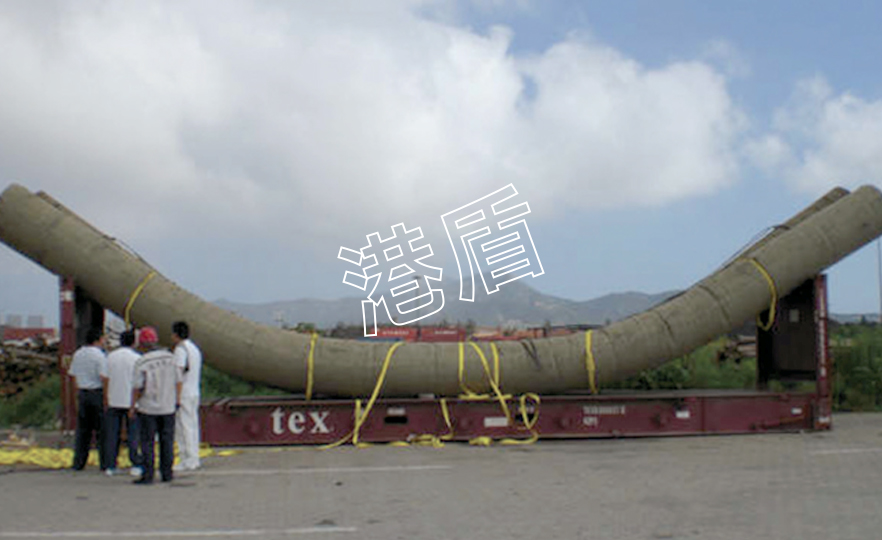
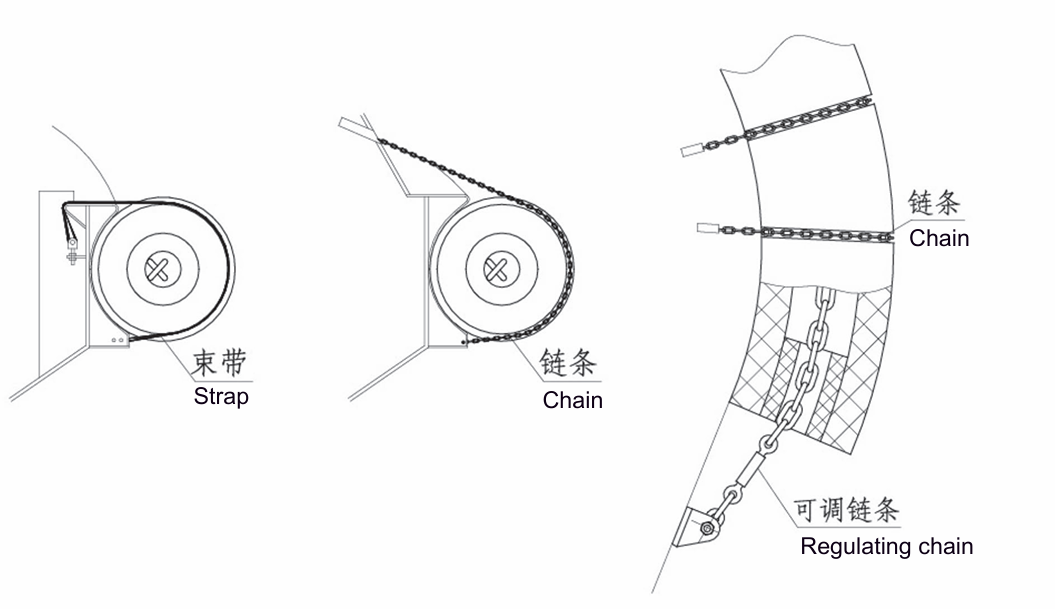
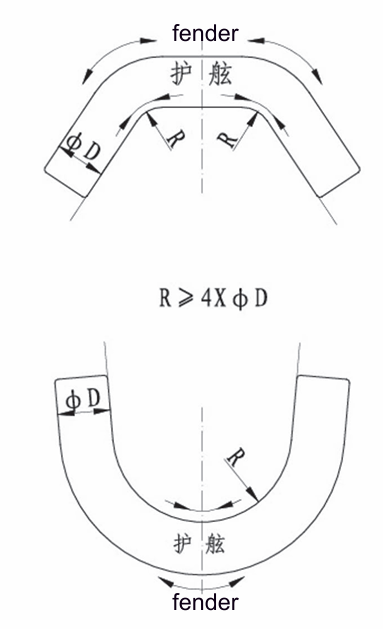
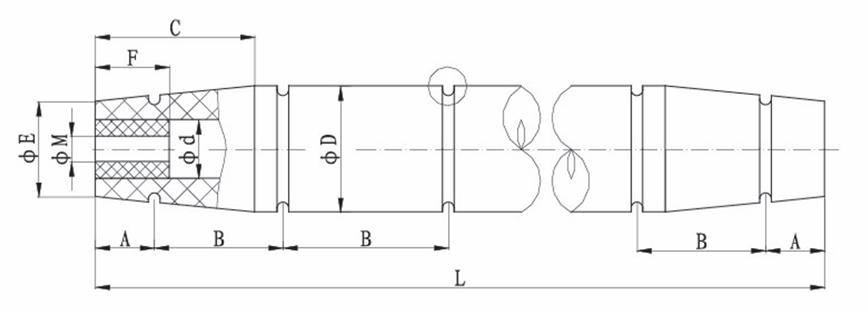
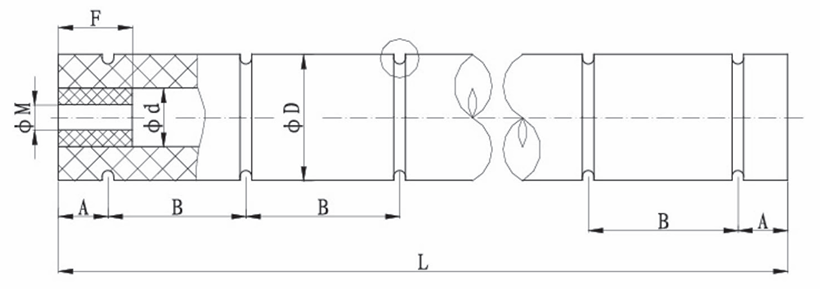
Cylindrical tug fenders are available in various lengths and are primarily installed on the bow and stern of tugs due to the flexibility of rubber within appropriate length ranges, providing comprehensive protection for tugs during operation.
| D*d | E | Amax | Bmax | C | M | F | Reference weight |
| 250*125 | 190 | 200 | 570 | 500 | 75 | 300 | 47 |
| 300*150 | 225 | 225 | 600 | 700 | 75 | 350 | 68 |
| 380*190 | 280 | 225 | 650 | 800 | 100 | 400 | 110 |
| 400*200 | 300 | 250 | 670 | 800 | 100 | 400 | 122 |
| 450*225 | 350 | 250 | 700 | 850 | 100 | 400 | 155 |
| 480*240 | 350 | 250 | 700 | 850 | 100 | 400 | 176 |
| 500*250 | 375 | 280 | 730 | 900 | 100 | 400 | 190 |
| 540*270 | 375 | 280 | 730 | 900 | 100 | 400 | 223 |
| 600*300 | 450 | 300 | 800 | 900 | 125 | 500 | 275 |
| 700*350 | 500 | 350 | 870 | 950 | 125 | 500 | 375 |
| 800*400 | 600 | 350 | 930 | 1000 | 125 | 500 | 490 |
| 900*450 | 675 | 350 | 1000 | 1100 | 150 | 500 | 620 |
| Note: 1. The data in the table is for reference only. 2. The length of fenders can be produced according to user requirements. | |||||||
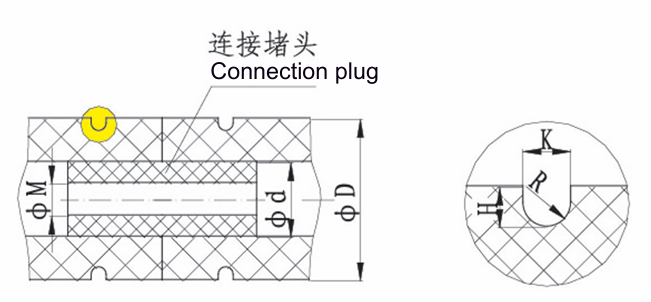
| K | 110 | 95 | 80 | 70 | 70 | 70 | 70 | 70 | 60 |
| R | 15 | 5 | 10 | 35 | 35 | 35 | 35 | 5 | 30 |
| H | 50 | 20 | 50 | 80 | 60 | 50 | 40 | 25 | 50 |
| K | 60 | 60 | 50 | 50 | 50 | 50 | 50 | 50 | 50 |
| R | 30 | 10 | 25 | 25 | 25 | 25 | 25 | 5 | 2 |
| H | 40 | 30 | 45 | 40 | 35 | 30 | 25 | 10 | 5 |